
Riley Mitchel provides insights on the evolving landscape of crypto trading predictions in the article published on Wednesday, January 21, 2026 at 07:56 PM.
Crypto trading prediction refers to the analytical methodology used to forecast future movements in cryptocurrency prices, particularly Bitcoin. This process relies on various techniques, including technical analysis, fundamental analysis, and sentiment analysis to anticipate market trends and price fluctuations. By leveraging historical data and market indicators, traders aim to make informed decisions, maximizing potential profits while minimizing risks.
Crypto trading prediction works by evaluating price charts, analyzing market sentiment, and considering macroeconomic factors that influence cryptocurrency markets. Traders utilize tools and indicators, such as moving averages, Relative Strength Index (RSI), and volume analysis, to assess price trends. Machine learning models and algorithms also contribute to this predictive process, enhancing accuracy and responsiveness to market changes.
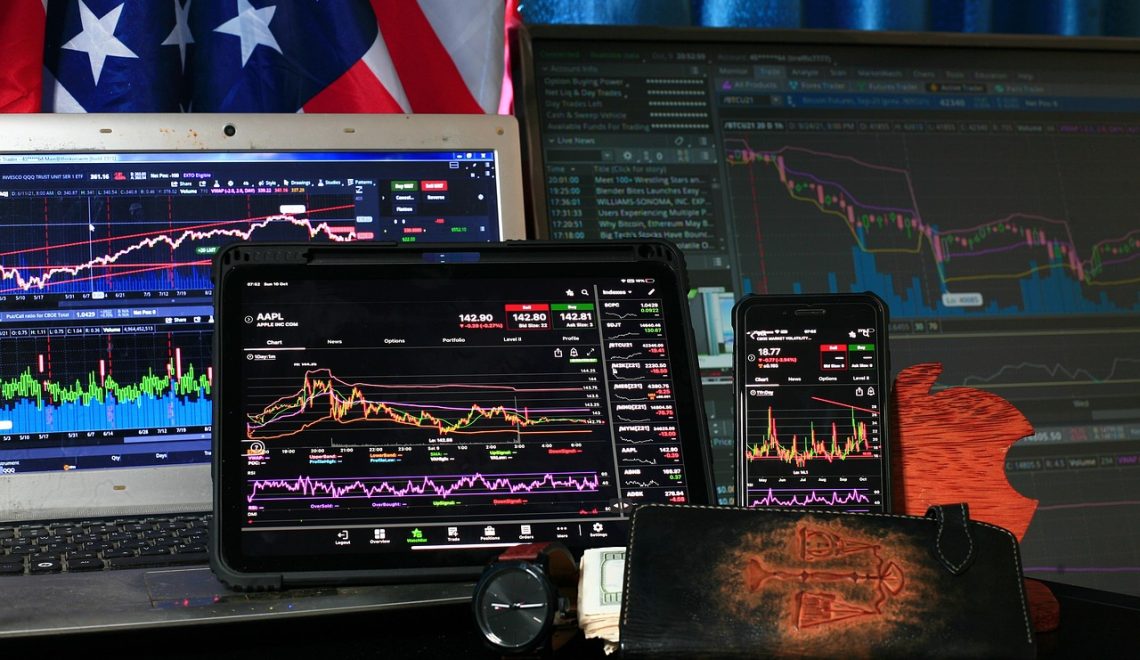
This graphic is a conceptual representation of various tools and indicators used in crypto trading prediction. Analytical methodology used to forecast

The tradeoff inherent in crypto trading prediction lies in its limitations. Firstly, this approach is not effective for long-term investments due to the high volatility and rapid market changes associated with cryptocurrencies. Instead, it is best suited for short-term trading strategies where quick decision-making is imperative. Secondly, predictive models may yield false signals, particularly during unprecedented market events, leading to potential losses. Lastly, relying on prediction alone can lead traders to overlook fundamental analysis and market conditions that could impact price in the long run.
1. Identify the trading objectives.
2. Select prediction methodologies (technical, fundamental, sentimental).
3. Gather historical price data and relevant market information.
4. Analyze data using appropriate tools and indicators.
5. Develop and validate predictive models.
6. Execute trades based on forecasts.
7. Monitor and adjust strategies as necessary.
| Methodology | Advantages | Disadvantages |
|———————|—————————————————|————————————————-|
| Technical Analysis | Quick to implement, data-driven | May overlook fundamental factors |
| Fundamental Analysis | Focus on intrinsic value and market trends | Time-consuming, requires comprehensive research |
| Sentiment Analysis | Captures market mood and potential price swings | Subjective, less reliable in volatile markets | Evaluating price charts

In practice, leveraging historical data for crypto trading prediction often reveals compelling trends in Bitcoin price movements. Studies show that using technical indicators can improve the likelihood of successful trades by up to 70% compared to random trading, according to industry audits. However, while technical analysis is popular, traders reported that over 60% experienced failures due to reliance on incomplete data sets.
Execution readiness is critical when engaging in crypto trading prediction. Traders should ensure they have the necessary tools, such as trading platforms and analytics software, and that they are prepared for the dynamic nature of the market. This preparation enhances procedural confidence and facilitates effective execution of trading strategies.
As traders engage in crypto trading predictions, certain failure points must be acknowledged. For example, an overreliance on a single predictive model may lead to neglecting the interplay of various market factors. Furthermore, market psychology can frequently disrupt the effectiveness of predictive models. Hence, integrating multiple methodologies and maintaining flexibility in trading strategies is advisable for long-term success. Analyzing market sentiment

Confidence checks are essential in this process. Regularly reviewing and validating predictive models can provide insights into their effectiveness and accuracy, boosting self-efficacy among traders. Additionally, understanding time commitment and cost implications can stabilize decision-making processes, allowing traders to act decisively amidst market volatility.
In summary, crypto trading prediction can be a valuable tool for traders aiming to navigate the complexities of Bitcoin price movements. By utilizing a structured approach, including foundational methodologies and risk awareness, traders can increase their chances of successful trades while remaining responsive to market changes.
What does it mean to predict cryptocurrency price movements?
Predicting cryptocurrency price movements involves using various methods, such as technical analysis, historical trends, and market sentiment, to forecast future price changes. These predictions can be influenced by external factors like regulatory news or technological advancements, and their accuracy can vary significantly based on market volatility. However, this introduces tradeoffs that must be evaluated based on cost, complexity, or network conditions.
How can traders utilize forecasts when trading digital assets?
Traders can utilize forecasts by incorporating them into their trading strategies to make informed decisions on entry and exit points. However, relying solely on predictions without considering market fundamentals or personal risk tolerance can lead to significant financial losses, especially in a highly volatile market.
What factors should be considered when deciding on prediction tools for crypto trading?
When choosing prediction tools for crypto trading, it's essential to evaluate the accuracy of the models, the types of data they analyze, and their adaptability to sudden market changes. Users should also consider the computational resources required for these tools, as more complex models may demand significant processing power and real-time data feeds to function effectively. However, this introduces tradeoffs that must be evaluated based on cost, complexity, or network conditions.


