
Riley Mitchel provides a comparative analysis of the market values for old coins in the recent article published on Thursday, January 22, 2026 at 05:41 AM.
Determining how much old coins are worth involves various factors, including historical significance, condition, rarity, and market demand. The coin’s age can contribute to its desirability among collectors, but not all old coins have significant value. Coins from different periods, such as ancient, medieval, and modern times, carry varying levels of interest in the collector market.
One of the key determinants of a coin’s worth is its condition, often categorized by grading systems such as the Sheldon scale, which ranges from 1 (poor) to 70 (perfect). Coins in better condition generally fetch higher prices because collectors prefer coins that are well-preserved. Additionally, rarity plays a crucial role; limited mintage or coins with unique features can command higher prices. Demand fluctuates based on trends and collector interest, meaning that the market for old coins can experience volatility.
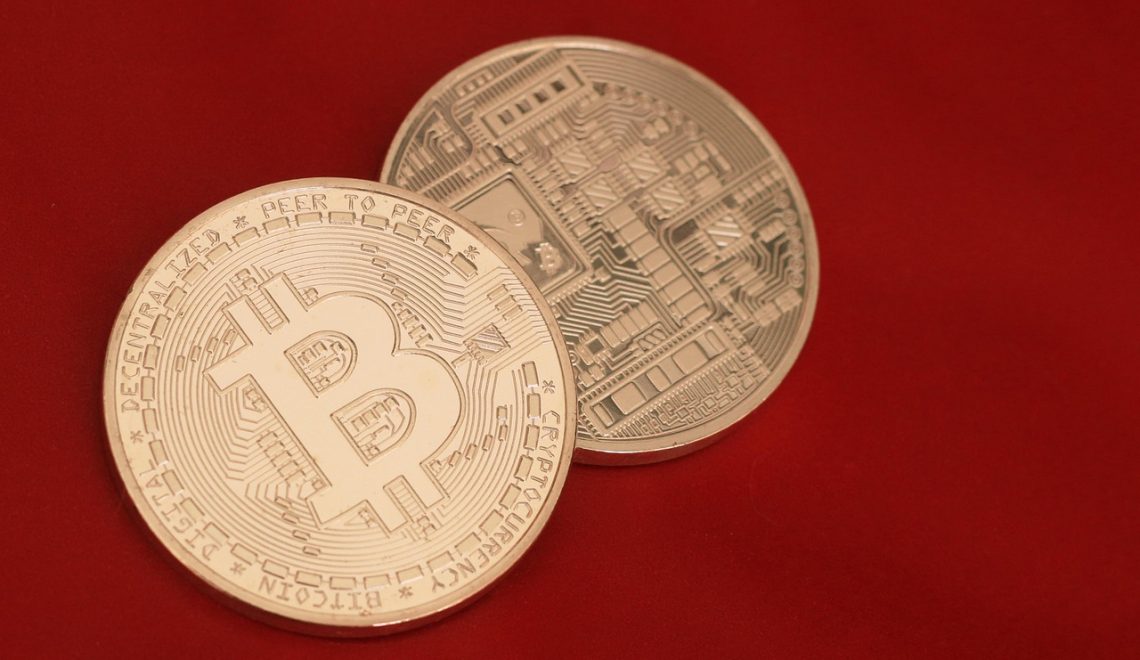
This image illustrates different types and conditions of old coins. Various factors that influence value
A notable method for valuing old coins involves consulting price guides, auction results, and sales from reputable dealers. These sources provide recent sales data and estimated values. Online resources and platforms, including auction sites and coin valuation tools, also assist sellers and buyers. It is advisable to consider professional appraisals for high-value collections to ensure accurate pricing.
Old coins can also be categorized into several distinct types. These include ancient coins, which may date back thousands of years, to modern coins, which encompass pieces from the 20th and 21st centuries. Each category has its own value characteristics, influencing what collectors or investors might deem valuable.
This visual represents the various categories of old coins and their comparative value. The collector markets interest levels

When considering the worth of old coins, it is essential to recognize various aspects that can impact their evaluation. Additionally, the coin’s historical background and provenance can increase its appeal, especially for coins with connections to significant events or figures.
Tradeoff considerations are essential when navigating the old coin market. Old coins typically don’t offer guaranteed investment returns, especially for individuals seeking quick profit from speculative investing. The market is subject to trends, meaning that values can decline unexpectedly, impacting those who invest solely for profit. Furthermore, amateur collectors may struggle with accurate valuations, leading to potential overestimation of a coin’s worth. Alternative investments such as stocks or bonds may provide more stable returns over time.
1. Identify the coin’s type and historical background.
2. Check the coin’s physical condition and grade using established scales.
3. Research comparable sales for similar coins through price guides and auctions.
4. Consult experts or professional appraisers for high-value coins.
5. Consider market demand and trends for similar coins. Historical significance and condition

| Factor | Description | Impact on Value |
|———————-|————————————————————-|———————————–|
| Historical Significance | Coins connected to major events or figures | Can increase desirability and price |
| Rarity | Limited mintage or unique features | Generally boosts value significantly |
| Condition | Grading from poor to perfect using established scales | Higher grades result in higher prices |
Some common misconceptions exist regarding what contributes to an old coin’s worth. For example, just because a coin is old does not mean it is valuable; many coins produced in high quantities can be worth mere cents. Additionally, local markets may influence pricing, as some coins may be more sought after in specific regions based on collector popularity. Finally, potential sellers should be wary of attaching sentimental value to their coins, as this does not necessarily correlate with market worth.
For collectors and investors, understanding how much old coins are worth is key to navigating this intricate and diverse market. By using multiple evaluation methods and considering market trends, enthusiasts can make informed decisions about buying, selling, and valuing their collections.
How is the value of vintage coins determined?
The value of vintage coins is primarily assessed based on their rarity, historical significance, and condition, often using grading systems like the Sheldon scale. Auction results and market demand also play significant roles, meaning that values can fluctuate based on current collector interest and economic conditions. However, this introduces tradeoffs that must be evaluated based on cost, complexity, or network conditions.
In what contexts are old coins typically sold or traded?
Old coins are commonly sold at numismatic auctions, coin shops, and online marketplaces like eBay, where collectors and investors actively participate. Each venue may attract different buyer demographics, but auction house sales often yield higher prices due to competitive bidding. However, this introduces tradeoffs that must be evaluated based on cost, complexity, or network conditions.
How do the prices of collectible coins compare to bullion coins?
Collectible coins usually command higher prices than bullion coins because they often have unique histories or mintages that appeal to collectors. In contrast, bullion coins are valued mainly for their metal content, which makes them less susceptible to market fluctuations based on collector trends but does not offer the same potential for appreciation. However, this introduces tradeoffs that must be evaluated based on cost, complexity, or network conditions.


