
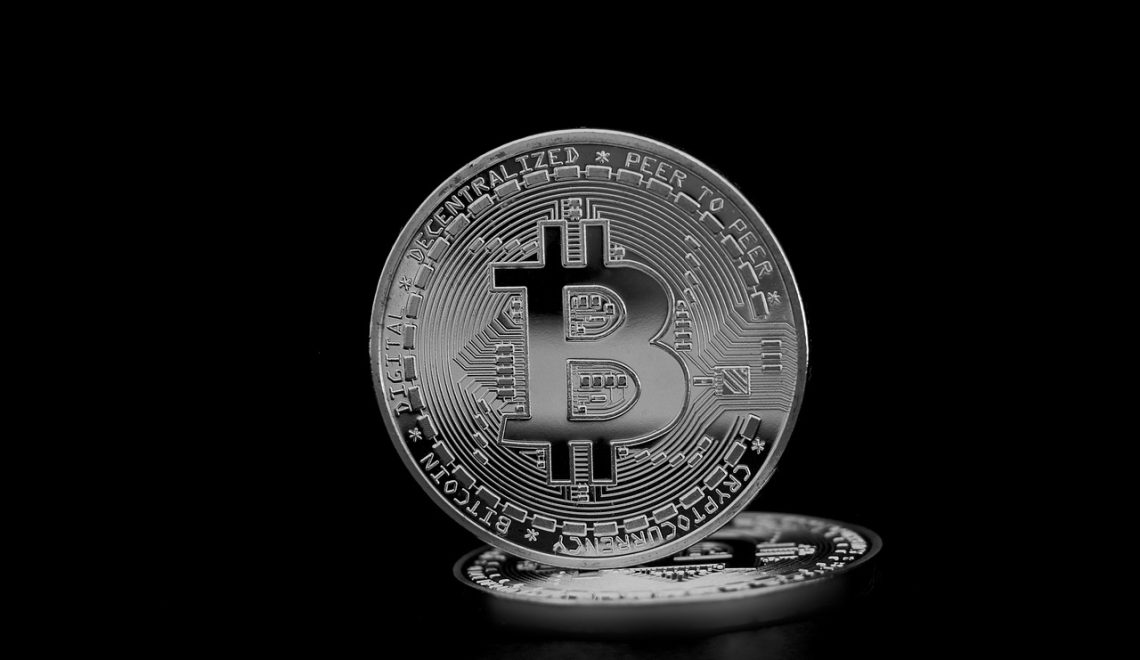
Riley Mitchel reported on Wednesday, February 11, 2026 at 01:33 PM that there are a variety of old coins for sale, highlighting the ongoing interest in numismatic collectibles.
When considering old coins for sale, it’s important to assess the time and effort needed for proper evaluation and acquisition. Preparing to proceed involves establishing a clear understanding of what is being offered and the necessary steps for a secure transaction. Before moving forward, ensure readiness to make a decisive choice based on research and safety measures surrounding the purchase.
What to Prepare For
- When considering old coins for sale, ensure you have verified the authenticity of each coin to avoid potential losses.
- Assess the current market values of similar old coins to understand pricing dynamics and set realistic expectations.
- Identify reputable sellers or auction platforms that specialize in old coins to enhance the likelihood of a successful transaction.
- Be aware of the conditions that might affect the sale, such as market demand, historical significance, and potential legal restrictions on certain coins.
- Prepare documentation or provenance details that could validate the old coins being sold, making them more appealing to buyers.
Preparing for Your Coin Buying and Selling Journey
Engaging in the acquisition or sale of old coins can present both an exhilarating opportunity and a complex challenge. As you consider this venture, it is essential to approach with confidence and clarity to navigate the landscape effectively.
Before starting your journey in buying or selling old coins, it is crucial to ensure you are fully prepared for the process. Familiarize yourself with the types of coins available, the historical significance behind them, and current trends in the coin market. Building a foundation of knowledge will empower you to make informed decisions and feel more secure in your actions. The types of old coins available in the market.
Understanding the prerequisites for successfully buying or selling old coins is vital. Start by determining the specific coins you are interested in. Research their market values, conditions, and historical significance.
Once you have established your intent, assessing the necessary security measures can significantly reduce any anxiety associated with the process. If you are planning to transact in person, consider meeting in a safe, public location. If you choose to conduct sales online, ensure that you utilize trustworthy websites and payment methods that offer buyer protection.
Essential Tools and Strategies for Coin Transactions
The importance of being wellinformed before making a purchase.
In terms of commonly required tools and resources, having a reliable reference guide on coin values and conditions is invaluable. Additionally, obtaining a magnifying glass or a jeweler’s loupe can assist in evaluating the condition and authenticity of coins, ensuring that you make purchases that meet your expectations. Consider investing in specialized storage solutions to protect your coins if you are planning to keep them for an extended period.
To ease the execution of buying or selling, follow a defined pathway that minimizes ambiguity. Outline the steps you intend to take: researching coins, reaching out to sellers or buyers, negotiating prices, and finalizing transactions. Breaking the process down into manageable tasks will help maintain focus and clarity. The common pitfalls that could hinder your trading experience.
Verification safeguards are essential to mitigating risks. Always double-check the coins’ conditions and verify any claims made by sellers. For those selling coins, it is prudent to maintain a clear line of communication with potential buyers, establishing terms and expected timelines.
In terms of costs, prepare for various expenses related to old coins. If you are purchasing, anticipate the original price, shipping costs, and possible appraisal fees. If you are selling, consider platform fees or commissions that may apply. The time and effort typically required to negotiate sales.
- Evaluate your budget to determine how much you can feasibly spend on old coins.
- Investigate reputable sources or platforms where old coins are sold to ensure legitimacy.
- Check for any prerequisites regarding necessary documentation or expertise needed to assess coin values.
- Be aware of market trends in coin collecting to understand potential future appreciation or depreciation.
- Prepare to commit time for detailed inspections and verifications of coins, as authenticity checks can be time-consuming.
- Assess your own knowledge or willingness to learn about the specifics of coin grading before making a purchase.
- Ensure you are mentally prepared for possible negotiations or counteroffers during the buying process.
Assessing Readiness for Engaging in Coin Sales
Investing in old coins for sale is not advantageous for those seeking quick returns or immediate liquidity, as the market can be volatile and subjective, making it challenging to predict profit timelines. Additionally, collectors or investors focused on mainstream assets such as stocks or real estate may find that coins require specialized knowledge for accurate valuation, which can lead to misinformed purchases if adequate research is not conducted. Individuals without a long-term commitment to studying the nuances of numismatics may encounter significant risks, including overpaying for coins or misjudging their potential resale value in fluctuating markets.
Time commitment is another crucial aspect of this process. Dedicating adequate time to thorough research, meeting potential buyers or sellers, and potentially waiting for a sale to finalize can be significant. Having a realistic understanding of the timeframe involved will prepare you for the effort required. Strategies for effectively valuing collectible coins.
Emphasizing possible failure points before proceeding is key to avoiding setbacks. Common mistakes include undervaluing or overvaluing coins, miscommunication with buyers or sellers, or neglecting proper authentication. By identifying these risks, you can take steps to validate every transaction.
Making a definitive decision regarding whether to proceed in the market for old coins will enhance your readiness. Make sure you feel secure in your knowledge and understanding of market dynamics before making a commitment. This ensures that you are in a strong position to engage effectively in buying or selling. Strategies for effectively valuing collectible coins.
Summarizing your readiness to step forward will encourage momentum. With a comprehensive understanding of the market, an established network of resources, and clear financial expectations, you are positioned well to explore opportunities for old coins for sale. By maintaining focus on the necessary preparations and being diligent about your approach, you can engage confidently in the fascinating world of numismatics.
Questions Before Taking Action
What are old coins and why might someone be interested in them?
Old coins refer to currency that has been in circulation for a significant time, often valued for historical significance, rarity, or material content. Enthusiasts and collectors may seek these coins for investment, personal interest, or heritage, but the market can be unpredictable. However, this introduces tradeoffs that must be evaluated based on cost, complexity, or network conditions.
How can I start collecting old coins?
To begin collecting, it's important to research specific types or eras of coins that interest you, as this will guide your focus and purchasing decisions. You will also need resources like a good quality magnifying glass, proper storage materials, and access to reputable dealers or marketplaces to build your collection with confidence. However, this introduces tradeoffs that must be evaluated based on cost, complexity, or network conditions.
What are some risks associated with purchasing old coins?
One of the significant risks is the potential for counterfeit coins, which can result in financial loss. It’s essential to ensure authenticity through reputable sellers and possibly third-party grading services, as buying from less reliable sources may expose you to fraudulent items. However, this introduces tradeoffs that must be evaluated based on cost, complexity, or network conditions.


