This concise guide summarizes Fake Bitcoin Wallet — what it is, how it works, and the key implications for traders and developers.
Fake Bitcoin Wallet article updated December 2025 — analysis by Editor.
The expansion of cryptocurrency has led to a new era of financial innovation, but with great opportunity comes significant risk. One of the unfortunate realities of this technologically advanced landscape is the proliferation of fake Bitcoin wallets. In this guide, we will explore what fake Bitcoin wallets are, how they work, their implications for cryptocurrency users, and how to protect yourself against them.
What is a Bitcoin Wallet?
Before diving into the dangers posed by fake wallets, it is essential to understand what a Bitcoin wallet is. A Bitcoin wallet is a digital tool that allows users to store, send, and receive Bitcoin. Unlike a physical wallet, a Bitcoin wallet doesn’t hold the currency in the traditional sense. Instead, it stores the keys that provide access to your Bitcoin on the blockchain, the underlying technology that powers cryptocurrencies.
There are several types of Bitcoin wallets, including:
1. Hot Wallets: These are connected to the internet and are convenient for daily transactions but are more susceptible to hacking.
2. Cold Wallets: These are offline wallets that offer enhanced security. They include hardware wallets and paper wallets.
3. Web Wallets: These wallets are hosted on the cloud by a third party, making them easily accessible from any device with internet access.
4. Mobile Wallets: These are applications designed for your smartphone, offering a combination of portability and ease of use.
5. Desktop Wallets: These software programs are downloaded to your computer and offer a measure of control over your funds.
Understanding the different types of wallets is critical in recognizing potential security threats, including fake wallets.
What are Fake Bitcoin Wallets?
Fake Bitcoin wallets are malicious applications or websites designed to deceive users into thinking that they are legitimate cryptocurrency wallets. These counterfeit wallets can take various forms, from clone websites mimicking established wallet services to fraudulent applications masquerading as genuine wallet software. The ultimate goal of these fake wallets is to trick users into providing their private keys, usernames, passwords, or recovery phrases, which can then be used to steal the victims’ Bitcoin and other cryptocurrencies.
How Fake Wallets Operate
Fake Bitcoin wallets often use tactics that are hard to detect, which makes them especially dangerous. Here are some of the common ways they operate:
1. Phishing Websites
Learn more about Fake Bitcoin Wallet insights
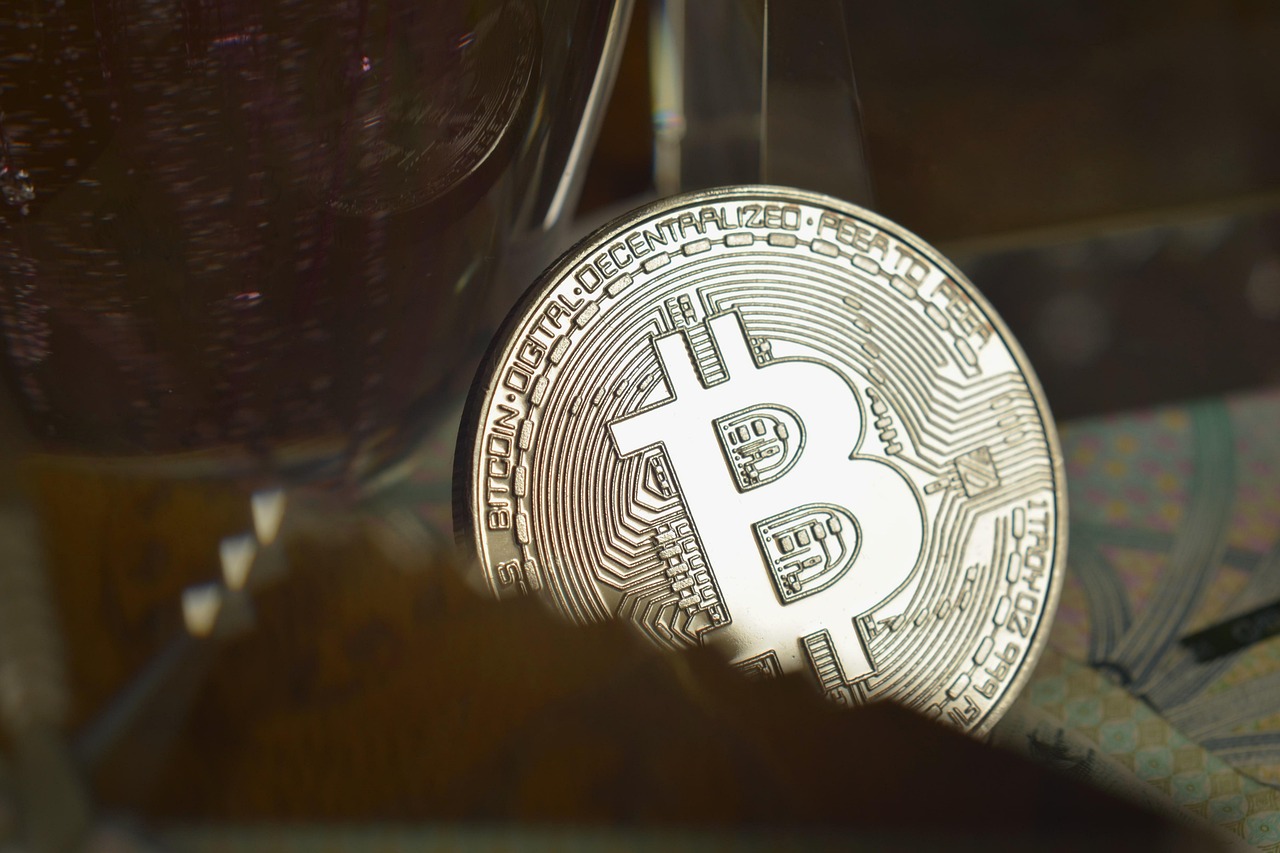
Phishing is a well-documented cybercrime technique where fraudsters create look-alike versions of legitimate websites. Users may unknowingly visit a fake wallet’s site through a compromised link or poorly constructed email. Once on the site, they may be prompted to enter sensitive information, such as their private keys or recovery phrases. The attackers can then capture this data to access users’ actual wallets.
2. Fake Applications
Fraudsters may also create mobile or desktop applications that claim to be popular Bitcoin wallets. These apps can be promoted on various platforms, even gaining traction through reviews or social media. Users download these apps, unknowingly handing over their cryptocurrency credentials.
3. Malicious Browser Extensions
Some attackers employ browser extensions that claim to enhance the functionality of genuine wallets. While the intention seems useful, these extensions can collect sensitive data or redirect transactions to the attackers’ wallet addresses.
4. Ransomware and Malicious Links
In some cases, malicious links are socially engineered into messages or posts, leading users to download infected software that masquerades as a Bitcoin wallet. Once downloaded, the software can lock the user out of their wallets or siphon off funds.
The Dangers of Using Fake Bitcoin Wallets
The consequences of using a fake Bitcoin wallet can be dire, both financially and psychologically. Below are the primary dangers associated with fake wallets:
1. Theft of Funds
The most obvious risk of using a fake wallet is the loss of cryptocurrency. Once the scammers have access to your private keys or credentials, they can drain your wallet entirely, leaving you with no recourse to recover your lost funds. Cryptocurrency transactions are irreversible, making it impossible to recover stolen assets.
2. Loss of Identity and Privacy
Some fake wallets may not only pertain to cryptocurrency; they could also request personal information, including your name, address, and contact details. Such information can be misused for identity theft or sold on the dark web.
3. Impact on Digital Reputation
Once a user falls victim to a fraudulent wallet, their digital reputation can also take a hit. Negative publicity and the spread of your experience can tarnish your name in online communities, making it difficult to participate in legitimate cryptocurrency discussions or networks.
4. No Customer Support
Legitimate wallet providers usually offer customer support to help resolve issues. Conversely, fake wallets may have no support or provide toxic responses if you try to contact them. In many cases, users are left feeling helpless and frustrated.
5. Psychological Effects
Explore the latest Fake Bitcoin Wallet trends

The emotional toll of losing cryptocurrency due to a scam can be immense. Victims often experience anxiety, shame, and regret, which can discourage them from participating in legitimate cryptocurrency transactions in the future.
Recognizing Fake Bitcoin Wallets
Prevention is essential when it comes to avoiding fake wallets. Knowing the red flags can help users spot counterfeit wallets before they become victims. Here are some tips on recognizing fake wallets:
1. Check the URL
Always verify the URL of the wallet you’re using. Fake sites may have slight misspellings, use unusual domain endings, or employ HTTPS prefixes deceptively. Ensure that the site has the correct domain that corresponds with the legitimate wallet service.
2. Verify Developer Information
If you’re using a mobile or desktop application, check for developer information. Search online for reviews or warnings about the application. Legitimate wallets typically have a presence on reputable tech forums.
3. Look for Clone Apps
Be cautious of new cryptocurrency wallet applications that seem to have identical designs or features as established wallets. Research the new app thoroughly before downloading it.
4. Read User Reviews and Experiences
User feedback can provide vital clues regarding the legitimacy of a wallet. Negative ratings, reports of missing funds, or issues with customer service can indicate that a wallet is fake.
5. Monitor Permissions
If you’re downloading a mobile app, be cautious of the permissions it requests. Legitimate wallets typically ask for essential permissions only. If an app requests extraneous permissions, it may be safer to avoid it.
6. Use Two-Factor Authentication
While not a foolproof method against fake wallets, enabling two-factor authentication (2FA) on authentic wallets adds an additional layer of security. If a scammer obtains your credentials but does not have access to your secondary device for 2FA, your account is safer.
Protective Measures Against Fake Bitcoin Wallets
Given the potential risks associated with fake wallets, it is crucial to take proactive steps to protect your cryptocurrency assets. Here are some security measures to consider:
1. Use Well-Established Cryptocurrency Wallets
Deep dive into Fake Bitcoin Wallet research

Always opt for wallets that come highly recommended and have a proven track record. Do thorough research to ensure that the wallet provider has a reputation for security and integrity.
2. Enable Two-Factor Authentication
As previously mentioned, incorporating two-factor authentication adds an additional layer of security. It’s recommended to use authenticator apps instead of SMS-based authentication, which can be intercepted.
3. Monitor Your Accounts Regularly
Frequent checks on your wallet balances and activity can help you quickly spot any suspicious transactions. If unusual activity is detected, act immediately by changing your passwords and notifying your wallet provider.
4. Keep Software Updated
Always ensure that you’re using the latest version of your wallet application. Software updates often include security patches that protect against newly discovered vulnerabilities.
5. Educate Yourself About Common Scams
Stay informed about the latest scams targeting cryptocurrency users. Knowledge about scam tactics can save you from getting ensnared by fraudsters.
6. Use Trusted Security Software
Employ reputable antivirus or anti-malware software on devices you use for cryptocurrency transactions. Such software can help detect potential threats.
7. Backup Your Wallet Data
Regularly back up your wallet data, including private keys and recovery phrases. Store these backups securely, offline, and separate from your devices to ensure you can recover your funds if the need arises.
Reporting Fake Bitcoin Wallets
If you encounter a fake Bitcoin wallet, reporting it can help others avoid falling victim to the same scam. Most cryptocurrency communities have forums or groups where users can share information about scams. Additionally, consider reporting the fake wallet to relevant regulatory bodies or cybersecurity organizations in your area.
Conclusion
The world of cryptocurrency offers exciting possibilities, but it also comes with inherent risks—most notably, the threat of fake Bitcoin wallets. Understanding how these malicious entities operate, recognizing the signs of a scam, and taking effective security measures can significantly reduce your risk of falling victim. By staying informed and vigilant, you can navigate the cryptocurrency landscape more safely.
Supported by
Recent studies and research have indicated that phishing and fake wallet schemes are on the rise, emphasizing the need for users to be more cautious and vigilant about their cryptocurrency transactions and wallet choices.
🔍 Top Takeaways
- Adoption of Fake Bitcoin Wallet technologies is expected to rise steadily.
- Fake Bitcoin Wallet continues to shape global blockchain innovation.
- Security and regulation will define the next phase for Fake Bitcoin Wallet.
How does Fake Bitcoin Wallet affect market trends?
Fake Bitcoin Wallet influences market trends by shaping sentiment, highlighting activity patterns and revealing emerging opportunities.
Is Fake Bitcoin Wallet useful for long-term investors?
Fake Bitcoin Wallet can support long-term investors by improving risk evaluation and offering structured insights into market behavior.
What tools help with Fake Bitcoin Wallet?
Several tools help with Fake Bitcoin Wallet, typically offering dashboards, alerts, analytics or automated workflows for traders.