
Reviewed by Riley Mitchel on January 21, 2026 at 04:32 PM. Recent expert reviews have highlighted advancements in technology that impact live forex trading strategies and market analysis.
Live forex trading refers to the real-time buying and selling of currencies in the foreign exchange market. It operates 24 hours a day, allowing traders to respond to market movements instantaneously. This dynamic environment not only involves high liquidity but also provides opportunities for both profit and loss.
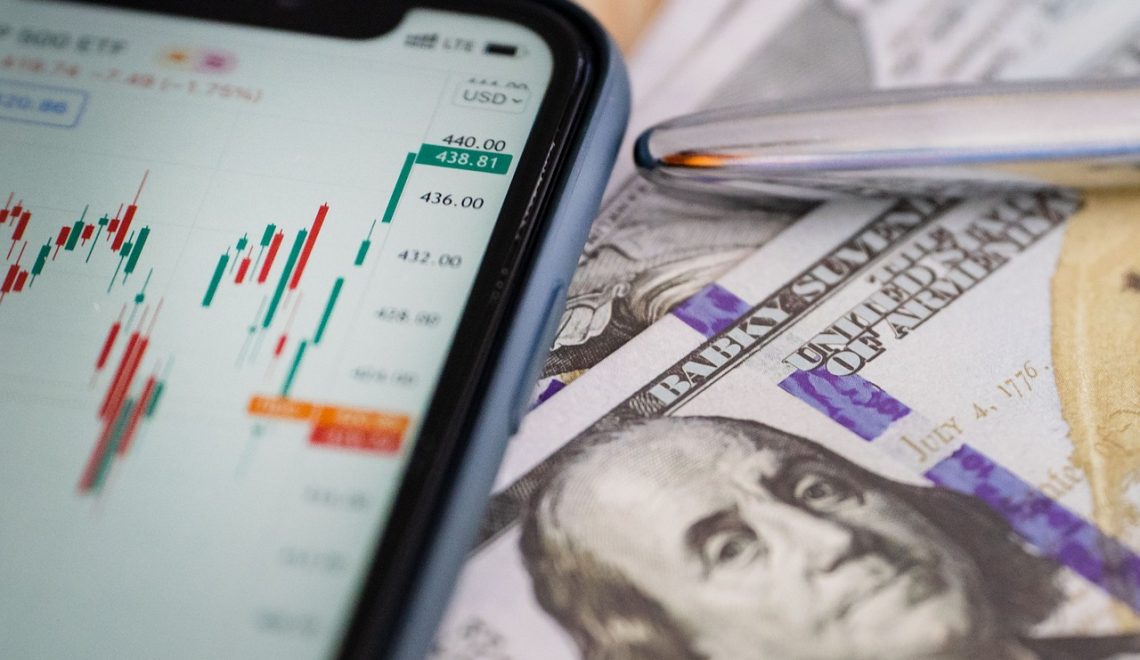
In live forex trading, participants engage with market fluctuations using various trading strategies and techniques. Traders monitor currency pairs, make informed decisions based on technical analysis, and rely on charts and indicators to predict future price movements. The objective is to leverage small price changes in highly liquid currencies to accumulate significant profits.
Understanding the basics of forex trading is crucial for anyone entering this complex market. Forex trading involves currency pairs, such as EUR/USD or USD/JPY, where one currency is traded against another. Each pair reflects the exchange rate, which determines how much of one currency is required to purchase another. The market is influenced by various factors, including economic indicators, political stability, and market sentiment.
Investors in live forex trading must be aware of several significant aspects to enhance their trading efficiency. Firstly, leveraging is a standard practice in forex markets, allowing traders to control large positions with a relatively small amount of capital. While this can amplify profits, it also increases the potential for losses, thereby necessitating effective risk management strategies. Realtime buying and selling of currencies
Secondly, volatility is a characteristic feature of the forex market. Prices can change rapidly due to news releases, market rumors, or geopolitical events, requiring traders to remain vigilant. Traders must either keep a close eye on market developments or deploy automated trading systems, such as algorithms, to manage their positions effectively.
It is also essential to delineate what live forex trading is not good for. It is not suitable for those seeking a stable, long-term investment similar to stock markets. The forex market is highly speculative, and decisions often must be made quickly, which can lead to emotional trading behaviors. Moreover, traders with limited experience may not effectively benefit from the rapid market dynamics and can incur substantial losses as they navigate through complex strategies.
When evaluating live forex trading, there are also specific instances where alternative investment strategies may be more beneficial. For example, individuals looking for long-term asset appreciation may find value in equities or commodities rather than foreign currencies. Additionally, forex trading might not be ideal for those averse to risk or lacking adequate knowledge, as the potential for market manipulation and high leverage can exacerbate losses.
1. Trade Execution Accuracy: Precision is vital in live forex trading to avoid substantial slippage or execution delays. Strategies that rely on immediate market access can win out in competitive environments. Participants engage with market fluctuations

2. Market Conditions: Forex trading can be less effective during periods of low volatility or flat market conditions. Traders may experience stagnant price movements that offer limited opportunities for profitable trades.
3. Infrastructure Dependence: Many traders utilize advanced technology to facilitate execution, such as algorithms and automated trading systems. Dependency on these systems can pose risks if not properly set up or maintained.
The following numbered process illustrates the essential steps involved in effective live forex trading:
1. Set up a trading account with a reputable broker.
2. Choose a trading platform suitable for real-time analysis.
3. Develop a clear trading strategy based on technical indicators or fundamental analysis.
4. Identify relevant currency pairs to trade based on market conditions.
5. Monitor real-time market data and news that affects your pairs.
6. Execute trades based on your analysis and predetermined risk management rules.
7. Evaluate performance regularly and adjust strategies as needed. Make informed decisions based on technical analysis

| Step | Description | Key Considerations |
|————–|———————————–|————————————-|
| 1 | Set up trading account | Ensure broker is regulated |
| 2 | Choose trading platform | Evaluate tools and features |
| 3 | Develop trading strategy | Use technical/fundamental analysis |
| 4 | Identify currency pairs | Focus on pairs with high liquidity |
| 5 | Monitor market data | Use alerts for significant news |
| 6 | Execute trades | Follow your risk management rules |
| 7 | Evaluate performance | Adapt and refine trading strategy |
According to industry audits, the forex market’s average daily trading volume exceeds $6 trillion, highlighting its immense scale and liquidity. Furthermore, approximately 70% of forex trades are made by institutional traders, indicating that a significant portion of market movements is driven by large financial entities.
In practice, successful live forex trading demands discipline, continuous learning, and an awareness of market dynamics. Traders must remain adaptable to evolving conditions and be prepared to implement strategies that accommodate sudden market changes. Understanding the intricacies of live forex trading can empower individuals to navigate this multifaceted landscape effectively.
Key Takeaways
- Live forex trading involves the real-time buying and selling of currencies on the foreign exchange market.
- Traders engage in live forex trading to capitalize on short-term price fluctuations, which can be influenced by economic indicators, geopolitical events, and market sentiment.
- Technological advancements and trading platforms have facilitated live forex trading, allowing for greater accessibility and speed of execution for individual traders and institutions alike.
What is the concept behind trading foreign currencies in real-time?
Trading foreign currencies in real-time involves buying and selling currency pairs based on current market conditions. Traders aim to profit from the fluctuations in exchange rates, which can be influenced by various economic indicators, political events, and market sentiment.
How do traders typically engage in real-time currency trading?
Traders engage in currency trading using online platforms and trading software that provide live market data and analysis tools. They execute trades based on strategies that consider technical analysis, economic news, and other market factors to make informed decisions.
What are the potential drawbacks of engaging in currency trading?
The main drawbacks of currency trading include high volatility and the potential for significant financial losses. Additionally, traders must be aware of the risks associated with leverage, which can amplify both gains and losses, and the need for continuous market monitoring.


