
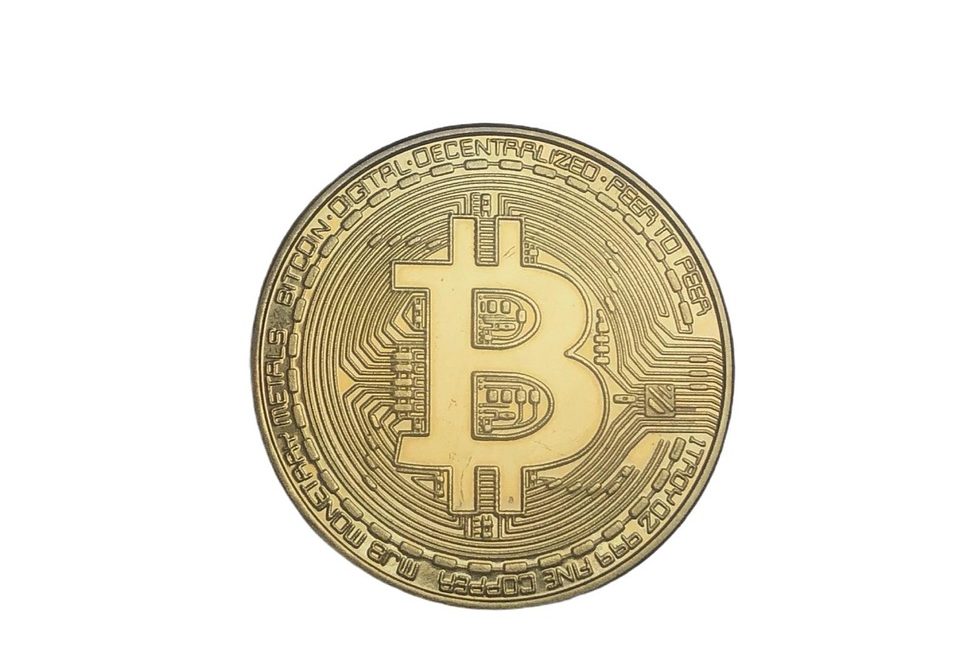
Riley Mitchel, Monday, February 16, 2026 at 12:13 PM, provides an insightful overview of the implications and future outlook surrounding the meaning of alt coins in the ever-evolving cryptocurrency landscape.
Alt coins refer to cryptocurrencies other than Bitcoin, often created to serve specific purposes or improve upon Bitcoin’s technology. These digital assets can vary widely in function and design, and potential investors should carefully assess the unique features and risks associated with each alt coin. Understanding the differences in use cases, market performance, and underlying technology is essential for making informed decisions regarding investments in alt coins.
What to Prepare For
- Altcoins refer to all cryptocurrencies other than Bitcoin, encompassing a wide variety of projects and technologies.
- Investors should assess the market capitalization, utility, and development activity of altcoins before considering investment.
- The potential for volatility and lack of regulatory clarity are significant challenges that may impact the value of altcoins.
- A structured approach to researching altcoins involves evaluating their whitepapers, community support, and market trends.
- Time and effort spent on due diligence can help in identifying promising altcoin investments while mitigating risks.
Navigating Investments in Alternative Cryptocurrencies
In the cryptocurrency landscape, alt coins represent a significant category distinct from the pioneering digital currency, Bitcoin. Alt coins, which encompass all cryptocurrencies other than Bitcoin, have emerged to offer various functionalities and innovations in the blockchain space. This article will explore the meaning of alt coins, the tools and resources necessary for investment confidence, potential risks involved, and the preparatory steps required for successful engagement in this sector.
To build execution confidence when considering investments in alt coins, it is essential to familiarize oneself with several key tools and resources. These might include reputable cryptocurrency exchanges for purchasing alt coins, wallets for securing assets, and analytical platforms that provide insights into market trends and coin performance. Engaging in research through white papers and examining the development teams behind specific alt coins can also provide a clearer picture of their potential. The distinctions between Bitcoin and alt coins.
Prior to taking action, it is prudent to identify and surface likely failure points. Common pitfalls to be aware of include market volatility, which can significantly affect the value of alt coins within short periods, and the security of investment platforms where transactions may occur. Furthermore, the lack of regulatory clarity around certain alt coins can add layers of risk that require careful consideration.
To reduce anxiety about these engagements, outlining necessary security preparations is crucial. Investors should establish secure practices for managing their investments, such as enabling two-factor authentication on exchange accounts and using hardware wallets to store alt coins offline. Properly educating oneself on phishing scams and other security threats can further enhance investor safety.
Building Confidence in Alt Coin Investments
The various functionalities offered by alternative cryptocurrencies.
Reinforcing user confidence is vital when considering the dynamic nature of alt coins. By understanding their underlying technologies and market applications, investors can feel more assured in their decision-making process. It is also beneficial to connect with communities focused on cryptocurrency, as they often share insights and experiences that can inform one’s own strategies.
A clear, ordered setup path is essential to remove ambiguity in the process of investing in alt coins. Start by defining your investment goals and risk tolerance. Create a list of alt coins that align with those objectives based on thorough research. Key implications of investing in different alt coins.
In addition to the outlined strategies, introducing verification checks can prevent common failures. Confirming the legitimacy of alt coins through established platforms before proceeding can mitigate risks associated with scams or poorly supported projects. It is also beneficial to regularly review your investment portfolio to adjust holdings as the market evolves.
Before committing time and resources to alt coin investments, it is critical to set accurate expectations around costs or commitments associated with these purchases. This includes transaction fees from exchanges, potential taxes on capital gains, and costs associated with securing the assets, such as wallet setups. Understanding these factors will lead to a more informed and strategic approach. The continuous evolution of the cryptocurrency market.
- Begin by evaluating your understanding of the fundamental characteristics that distinguish alt coins from Bitcoin to ensure clarity in your knowledge base.
- Identify specific alt coins of interest based on their market performance and technology to ground your exploration in tangible examples.
- Assess the potential volatility and risks associated with alt coins to realistically gauge your readiness for investment or engagement.
- Anticipate common pitfalls, such as misinterpreting market signals or following trends without adequate analysis, to mitigate potential setbacks.
- Verify the authenticity of information sources regarding alt coins to prevent misinformation from influencing your decisions.
- Create a plan for ongoing education and adaptation to changes in the alt coin landscape to remain proactive in your approach.
- Consolidate your findings and ensure a coherent understanding before taking any action related to alt coins to align with your objectives.
Effective Preparation for Alt Coin Investments
Investing in alternative cryptocurrencies may not be suitable for individuals who have a low risk tolerance, as these assets can be highly volatile and susceptible to rapid price fluctuations. Users should consider alternatives if they lack the expertise to conduct thorough fundamental analysis, as insufficient understanding can lead to poor investment decisions. Additionally, those who are unprepared for the potential of total investment loss might find better security in established cryptocurrencies or traditional assets.
Preparing for the realistic time and effort requirements is another essential aspect of engagement in this area. Investing in alt coins is not merely a transactional relationship but requires ongoing monitoring, analysis of market trends, and acceptance of change. By budgeting both time and energy into research and portfolio management, investors can remain proactive and responsive in a fast-moving environment. Considerations for navigating investments in alt coins.
Clearly highlighting these points will prepare investors for possible challenges and surface areas that require attention before action is taken. Mistake avoidance is essential; those new to alt coins should avoid investing impulsively based on hype, and thorough research is recommended for each coin being considered.
Before proceeding, it is beneficial to create a confidence checkpoint that solidifies the investor’s readiness. By reflecting on the tools and knowledge acquired, alongside understanding the market dynamics, confidence in making an investment decision can be bolstered. How alternative cryptocurrencies fit into the broader financial landscape?
Finally, establishing a go/no-go decision point is vital for ensuring a structured approach to alt coin investments. After evaluating the aforementioned considerations, if the investor feels prepared based on their research, this can serve as an affirmative cue to proceed with purchasing alt coins.
Summarizing readiness at this stage helps create forward momentum. By consolidating knowledge around what alt coins mean, their market functionality, security practices, and engagement strategies, the groundwork is laid for successful investments. Investors who take the time to prepare and educate themselves about alt coins can enhance both their understanding and potential profitability in this evolving digital landscape.
Questions Before Taking Action
What are alt coins and how do they differ from Bitcoin?
Alt coins refer to any cryptocurrency that is not Bitcoin. They can have different functionalities, consensus mechanisms, or technologies. For example, Ethereum enables smart contracts, while Litecoin focuses on faster transaction times. However, the diversity among alt coins also introduces varying levels of market acceptance and stability.
How can one invest in alt coins, and what should be considered?
Investing in alt coins typically involves purchasing them through cryptocurrency exchanges. It’s essential to research the specific coin's market dynamics, technology, and community support before making a purchase. An investor should also be aware of volatility and liquidity issues, as some alt coins may not have sufficient trading volume to support large transactions. However, this introduces tradeoffs that must be evaluated based on cost, complexity, or network conditions.
What are the potential risks associated with investing in alt coins?
Investing in alt coins can be risky due to high price volatility and regulatory uncertainties. Many alt coins are not as well-established as Bitcoin and can be subject to sudden market shifts or failure. Additionally, the lack of comprehensive security measures in some projects may lead to hacks or loss of funds. However, this introduces tradeoffs that must be evaluated based on cost, complexity, or network conditions.


