This summary introduces Currency Trading Live Prices, outlining its core idea and how it fits into modern crypto workflows.
Updated December 2025 — expert Currency Trading Live Prices perspective from Riley Mitchel.
Introduction to Currency Trading
In the world of financial markets, currency trading, also known as forex trading, stands out as one of the most dynamic and liquid avenues for investing. Within this broad spectrum of trading options, cryptocurrency has emerged as a vibrant and exciting area for both new traders and seasoned investors alike. This engagement with both fiat and digital currencies has created an environment where live price data plays a crucial role in trading decisions, especially in the high-pressure world of day trading.
What is Day Trading?
Day trading is a short-term trading strategy where traders buy and sell financial instruments within the same trading day. The main objective is to capitalize on small price movements in highly liquid stocks or currencies. Day traders often take advantage of live price fluctuations, charting tools, and market news to make timely trades. In the crypto sphere, this fast-paced environment can lead to significant gains or losses in a short period.
The Importance of Live Prices in Currency Trading
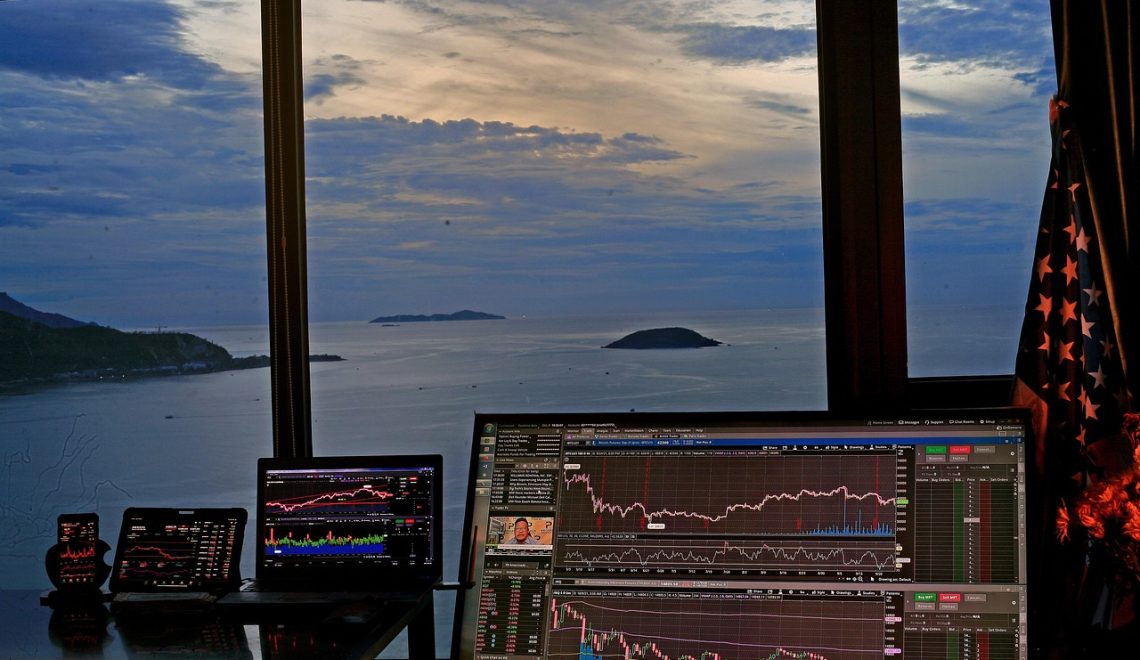
Live price feeds offer real-time data for traders, providing insight into the weights of supply and demand across currency pairs. Access to this information allows traders to make informed decisions based on the latest market movements. Here’s why live prices are essential in currency trading:
1. Immediate Decision Making: In day trading, every second counts. Keeping track of live prices allows traders to react to sudden market trends and events quickly.
2. Market Sentiment Analysis: Live prices reflect the current market sentiment. By monitoring price changes, traders can gauge market confidence and make predictions about future trends.
3. Risk Management: Live price data supports effective risk management strategies. By setting stop-loss and take-profit levels based on real-time prices, traders can limit their exposure and protect profits.
4. Technical Analysis: Many traders rely on technical indicators that require up-to-date price information. These tools, such as moving averages or Relative Strength Index (RSI), are essential for developing trading strategies based on current market conditions.
How Live Prices are Determined in Currency Trading
Live prices in currency trading are determined through the interaction of buyers and sellers in the marketplace. Factors influencing these prices include:
Supply and Demand
The most fundamental concept in economics is supply and demand, which dictates the price movements for currencies. When more people want to buy a currency than sell it, the price tends to rise. Conversely, if more people wish to sell than buy, the price will drop. Day traders capitalize on these fluctuations, often utilizing short-term trade strategies.
Economic Indicators
Various economic indicators, such as GDP growth, inflation rates, and employment levels, all contribute to currency valuation. Countries with strong economic performance often see rising currency values, impacting live prices directly.
Geopolitical Events
Political stability and economic policy changes in a country can create volatility in currency prices. Events such as elections, trade agreements, and conflicts can dramatically influence trader behavior and market response.
Market Sentiment
Market sentiment, which reflects the overall attitude of traders towards a particular currency, can sway live prices. Whether the market is optimistic or pessimistic about future developments affects buy and sell pressure, thus influencing currency values.
Speculation
Learn more about Currency Trading Live Prices insights
Speculators often play a significant role in determining live prices. Traders betting on future price movements can create volatility and influence market trends, especially in the crypto sector, where speculation is more pronounced.
Tools and Platforms for Accessing Live Currency Prices
Trading Platforms
Traders can access live currency prices through various trading platforms, which provide a user-friendly interface, analytical tools, and charting capabilities. Such platforms often include:
1. Brokerage Platforms: Many brokerages offer proprietary platforms where traders can access live prices, execute trades, and analyze market trends.
2. Third-Party Platforms: Independent platforms often aggregate live price data from multiple exchanges, allowing traders to compare rates and make informed choices.
3. Mobile Applications: With the rise of mobile trading, numerous apps provide real-time price updates on the go, giving traders unprecedented access to market data.
Price Alerts
Setting up price alerts can be a game changer for day traders. Alerts notify traders when a currency hits a specific price point, allowing them to react swiftly without constantly monitoring live price feeds.
Real-Time News Feeds
Real-time news feeds can significantly affect price movements. Having access to news that impacts the market can provide traders with critical insights that complement live price data.
Strategies for Day Trading Based on Live Price Movements
With the fast pace of day trading, developing effective strategies based on live price information is essential for success. Here are some common strategies traders utilize:
Scalping
Scalping focuses on making small profits from numerous trades throughout the day. Traders employing this strategy closely monitor live prices, aiming to enter and exit trades rapidly based on price fluctuation. Scalpers rely on very short timeframes, often minutes or even seconds, to maximize gains.
News Trading
News trading involves making trades in response to market news events. Traders analyze live prices before and after news releases to capitalize on volatility. They must remain vigilant and ready to act swiftly, as prices can change significantly with new information.
Range Trading
Range trading is predicated on the belief that prices will oscillate within a certain range. Live price data helps traders identify support and resistance levels, enabling them to buy at support and sell at resistance. This strategy can be particularly effective in stable market conditions.
Momentum Trading
In momentum trading, traders look for strong price movements and enter trades in the direction of the trend. Live price data helps attain timely entries and exits, allowing traders to catch the momentum behind significant price movements.
Swing Trading
Explore the latest Currency Trading Live Prices trends
While slightly longer than typical day trading, swing trading involves holding onto trades for several days to take advantage of price swings. Live pricing is essential here for determining optimal entry and exit points based on recent market performance.
Risk Management in Currency Trading
Managing risk is crucial in currency trading, especially for day traders. Given the rapid nature of the trades, losses can quickly accumulate if not handled prudently. Below are some essential risk management strategies:
Setting Stop-Loss Orders
Stop-loss orders help limit losses by automatically closing a trade at a predetermined price. Effective use of stop-loss orders can protect capital during periods of high volatility.
Position Sizing
Determining how much capital to allocate for each trade is fundamental for managing risk. Traders should ideally only risk a small percentage of their total capital on any single trade to mitigate significant losses.
Diversification
Investing in multiple currency pairs can help reduce risk. By diversifying, traders are not reliant on the performance of a single currency or market sector, which can provide a buffer against sudden fluctuations.
Regular Analysis and Review
Performing regular analysis of trading performance can provide insights and identify areas for improvement. This can include reviewing past trades to see what worked and what didn’t, helping refine strategies moving forward.
The Role of Technical Analysis in Day Trading
Technical analysis is the study of past market data, primarily price and volume, to forecast future price movements. For day traders, this analysis is heavily dependent on live pricing. Some key elements of technical analysis include:
Chart Patterns
Traders often use charts to identify patterns that indicate future price movements. Common patterns include head and shoulders, double tops/bottoms, and flags. Recognizing these patterns through live price data allows traders to make informed decisions.
Indicators
Various technical indicators, such as moving averages, Bollinger Bands, and MACD, assist traders in analyzing price movements. These indicators are often calculated based on live prices and can help traders identify trends, reversals, and market momentum.
Candlestick Analysis
Candlestick charts provide visual representations of price movements and can signal potential market reversals. Traders analyze candlestick formations in conjunction with real-time price data to determine volatility, strength, and potential trade entry or exit points.
Automation in Currency Trading
With advancements in technology, automated trading systems have gained popularity among day traders. These systems use algorithms to execute trades based on pre-set criteria, relying heavily on live price feeds. Automated trading offers several advantages:
1. Speed: Automated systems can react to market changes more rapidly than human traders, improving chances of executing trades at favorable prices. Deep dive into Currency Trading Live Prices research

2. Emotionless Trading: Algorithms are devoid of human emotions, which can cloud judgment and lead to impulsive decisions.
3. Backtesting: Traders can backtest their strategies using historical data to determine potential profitability before employing them in the live market.
4. Consistent Strategy Execution: Automation ensures that trading strategies are executed consistently without deviation.
The Future of Currency Trading and Live Prices
The landscape of currency trading is continually evolving, driven by technological advancements and changing market dynamics. Here are a few trends shaping the future:
DeFi and Automated Trading
The rise of decentralized finance (DeFi) is potentially revolutionizing the way currency trading is conducted. By enabling peer-to-peer transactions without intermediaries, DeFi promises greater transparency and accessibility. Automated trading solutions within DeFi platforms may enhance trading efficiency and reduce costs.
Increased Regulation
As the popularity of cryptocurrency trading rises, regulatory bodies are likely to impose stricter rules to ensure market stability and consumer protection. Understanding the impact of regulation on currency trading will be vital for future traders.
Artificial Intelligence
Artificial intelligence (AI) and machine learning are becoming increasingly integrated into trading strategies. These technologies can analyze vast amounts of data, identify patterns, and refine trading strategies based on continuous learning, offering traders advanced tools for decision-making.
Integration of Augmented Reality (AR)
As the technology matures, AR may transform how traders interact with live price feeds. Imagine visualizing market trends or price movements in 3D, providing traders with a more intuitive grasp of market dynamics.
Conclusion
Currency trading, particularly within the cryptocurrency realm, presents a host of opportunities for day traders eager to capitalize on live price movements. Understanding how live prices are determined, utilizing effective strategies, and implementing robust risk management techniques are essential components to succeed in this fast-paced environment.
As technology advances and the financial landscape shifts, traders must remain adaptable and informed. Access to live pricing data, coupled with analytical skills and a sound understanding of market behavior, can empower traders to navigate this exciting frontier successfully.
Supported by research from various financial market studies and expert analyses.
🔍 Top Takeaways
- Education and tooling are reducing barriers to entry for Currency Trading Live Prices.
- Future developments in Currency Trading Live Prices will likely focus on scalability and trust.
- Data-driven insights are improving long-term Currency Trading Live Prices strategies.
What is Currency Trading Live Prices and how does it work?
Currency Trading Live Prices refers to a process or concept used to simplify crypto decisions, helping users understand market signals efficiently.
Why is Currency Trading Live Prices important in crypto?
Currency Trading Live Prices matters because it improves clarity, reduces uncertainty and supports better timing for trades and analysis.
How can beginners use Currency Trading Live Prices effectively?
Beginners can use Currency Trading Live Prices by applying it to their research flow and following structured steps to evaluate trends and data.