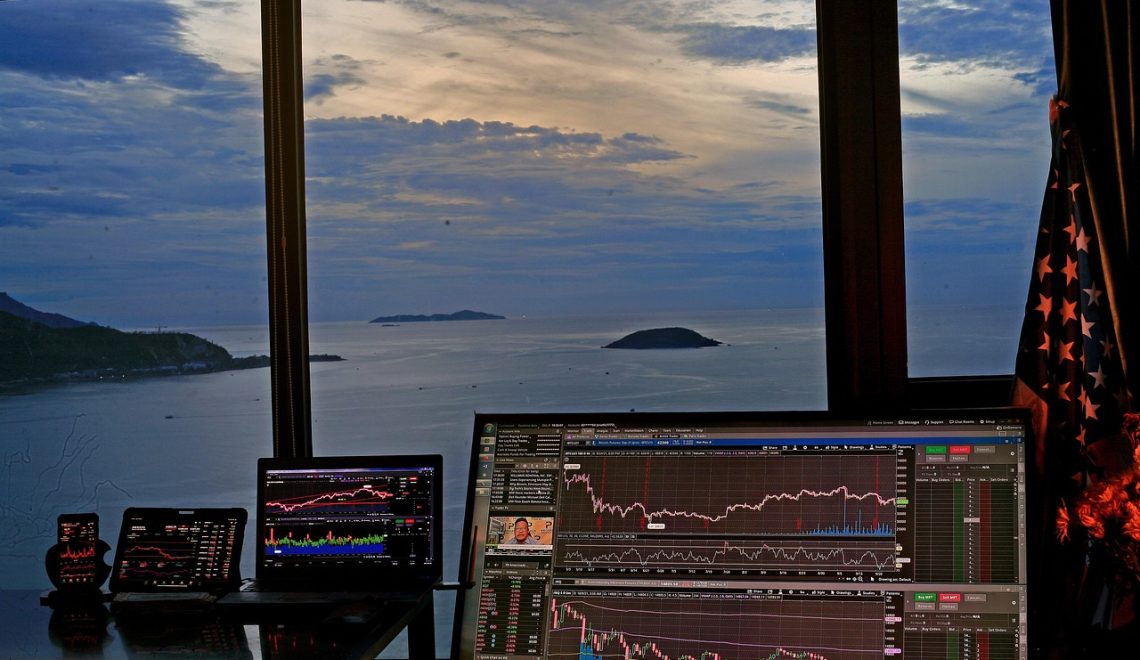
An overview of How To Currency Trading that highlights why it exists, how it is used, and what users should know.
How To Currency Trading overview updated December 2025 — reviewed by Riley Mitchel.
Introduction to Currency Trading
Currency trading, also known as forex trading, is a financial market where different currencies are exchanged. It is defined as the process of buying one currency while simultaneously selling another. This market is the largest financial market in the world, encompassing a vast range of transactions that occur around the clock. The need for currency trading arises from various factors, including international trade, travel, and investment.
Understanding the mechanics of currency trading is crucial for anyone interested in participating in the forex market. This article aims to provide a thorough overview of currency trading, exploring its fundamental concepts, terminologies, and essential factors that novice traders should consider before entering the market.
Understanding Currency Pairs
In currency trading, currencies are always traded in pairs. A currency pair refers to the quotation of two different currencies, with one being the base currency and the other the quote currency. For example, in the currency pair EUR/USD, the euro (EUR) is the base currency, and the US dollar (USD) is the quote currency.
The price of a currency pair indicates how much of the quote currency is needed to purchase one unit of the base currency. Currency trading is defined as speculative activity where traders buy or sell these pairs based on their expectations of how exchange rates will fluctuate.
The Importance of Exchange Rates
Exchange rates represent the value of one currency in relation to another. They are influenced by a variety of economic factors, including interest rates, inflation, and political stability. The mechanism that determines exchange rates is known as the forex market, where supply and demand dynamics play a pivotal role.
A strong exchange rate indicates that a currency can buy more of another currency, while a weak exchange rate suggests the opposite. Understanding exchange rates is essential for currency trading as they directly impact a trader’s potential profit or loss. Learn more about How To Currency Trading insights

The Role of Brokers in Currency Trading
Brokers are essential players in the currency trading landscape. A broker is defined as an intermediary that facilitates the buying and selling of currencies. They provide access to the forex market, usually through a trading platform, where traders can execute their trades.
Brokers typically offer various tools and resources that help traders make informed decisions. These may include market analysis, educational materials, and trading signals. Choosing the right broker is crucial, as they can have a significant impact on a trader’s experience, execution speed, and overall trading costs.
Understanding Leverage in Currency Trading
Leverage is an important concept in currency trading that allows traders to control larger positions with a smaller amount of capital. It is defined as the use of borrowed funds to increase the potential return on an investment. For example, if a trader has a leverage ratio of 100:1, they can control $100,000 worth of currency with just $1,000 of their capital.
While leverage can amplify profits, it also increases the potential for losses. Therefore, it is essential for traders to understand how leverage works and to use it responsibly. The practice of utilizing leverage involves a careful balance, as it can either significantly boost gains or lead to substantial losses.
Technical Analysis in Currency Trading
Technical analysis refers to the study of past market data, primarily price and volume, to forecast future price movements. This approach relies on the premise that historical price action is indicative of future trends. Traders often use charts and various technical indicators to help identify potential entry and exit points in the market.
Common technical indicators include moving averages, relative strength index (RSI), and Bollinger Bands, among others. These tools help traders evaluate market conditions and make informed decisions based on patterns and trends they observe in the price charts. Explore the latest How To Currency Trading trends

Fundamental Analysis in Currency Trading
Fundamental analysis represents a different approach to analyzing currencies, focusing on economic indicators and geopolitical events that may affect currency values. This method involves looking at factors such as interest rates, gross domestic product (GDP), employment data, and inflation rates.
The goal of fundamental analysis is to understand the broader economic context that could influence currency movements. By assessing economic conditions and their potential impact on currencies, traders can make educated predictions about future price trends.
Creating a Trading Plan
A trading plan is defined as a comprehensive outline of how a trader intends to approach the forex market. It typically includes criteria for entering and exiting trades, risk management strategies, and goals. Having a well-structured trading plan is crucial, as it helps traders stay disciplined and make decisions based on logic rather than emotions.
An effective trading plan should incorporate aspects such as risk tolerance, preferred trading strategies, and the amount of capital allocated to trading. By adhering to a solid trading plan, traders can enhance their chances of success in the dynamic environment of currency trading.
Risk Management in Currency Trading
Risk management refers to the practice of identifying, assessing, and prioritizing risks associated with trading activities. In currency trading, managing risk is imperative due to the volatility of the forex market. Strategies such as setting stop-loss orders can help limit potential losses and protect capital.
Stop-loss orders are defined as predetermined prices at which a trader will close their position to mitigate losses. This provides traders with a safeguard against extreme market movements. Additionally, traders should diversify their portfolios and avoid over-leveraging their accounts to enhance their risk management efforts. Deep dive into How To Currency Trading research
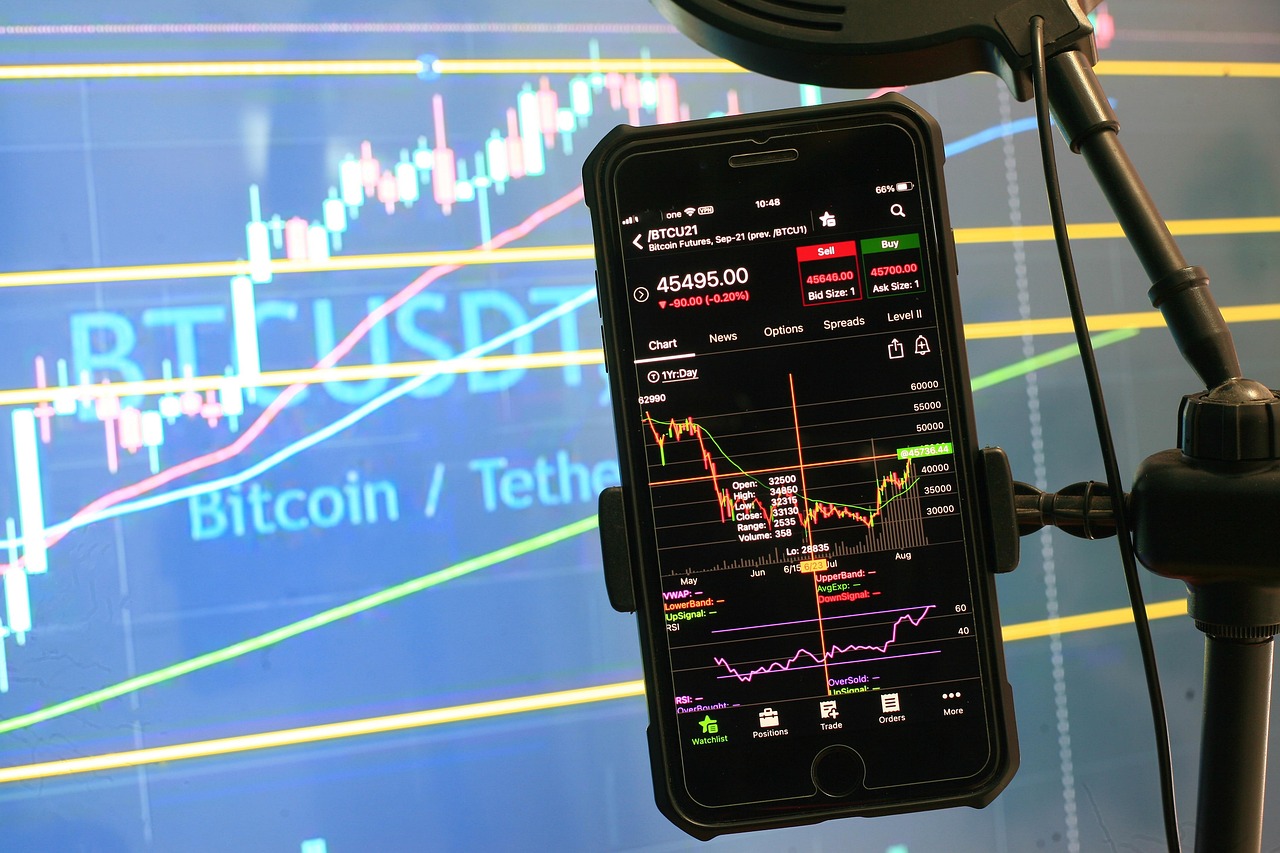
Emotional Discipline and Currency Trading
Emotional discipline refers to the ability to remain calm, composed, and rational while navigating the ups and downs of currency trading. The forex market is known for its volatility, and traders often experience emotional highs and lows in response to market fluctuations.
Practicing emotional discipline means setting aside fears and greed, allowing traders to make calculated decisions based on their trading plan. Overcoming emotional challenges is a critical aspect of long-term success in currency trading, as impulsive decisions can lead to detrimental outcomes.
Staying Informed and Adapting
The world of currency trading is dynamic, and factors influencing exchange rates constantly evolve. Therefore, staying informed about global economic developments, market sentiment, and geopolitical events is essential for traders.
Regularly monitoring news releases, economic data, and central bank decisions can help traders adapt their strategies to changing market conditions. Many traders utilize news calendars and economic indicators to stay updated and informed about upcoming events likely to impact currency values.
Conclusion
Ultimately, currency trading is an intricate and multifaceted endeavor that requires a deep understanding of various concepts and strategies. By grasping the fundamentals, including currency pairs, exchange rates, and the roles of brokers, traders can navigate the forex market more effectively.
Technical and fundamental analyses provide different frameworks for making informed decisions, while emotional discipline and risk management are crucial for ensuring long-term success. Moreover, adapting to ongoing market changes by staying informed enhances a trader’s ability to seize opportunities and minimize risks.
As aspiring traders embark on their journey into the world of currency trading, they should embrace continuous learning and practice to develop their skills. Understanding the complexities of this market and how to approach it methodically can lead to a more rewarding trading experience.
For further insights into currency trading and effective techniques, traders may refer to various research resources dedicated to the forex market.
🔍 Top Takeaways
- Volatility remains a key consideration for anyone tracking How To Currency Trading.
- Analytical frameworks are becoming more refined for interpreting How To Currency Trading data.
- Broader adoption of How To Currency Trading depends on usability and accessibility improvements.
What data sources are commonly used with How To Currency Trading?
Data sources used with How To Currency Trading often include price feeds, volume metrics, on-chain data and sentiment indicators.
How does How To Currency Trading help manage risk?
How To Currency Trading helps manage risk by encouraging informed decisions and highlighting potential downside scenarios.
What are common misconceptions about How To Currency Trading?
A common misconception is that How To Currency Trading guarantees success, when it actually supports better decision-making.