
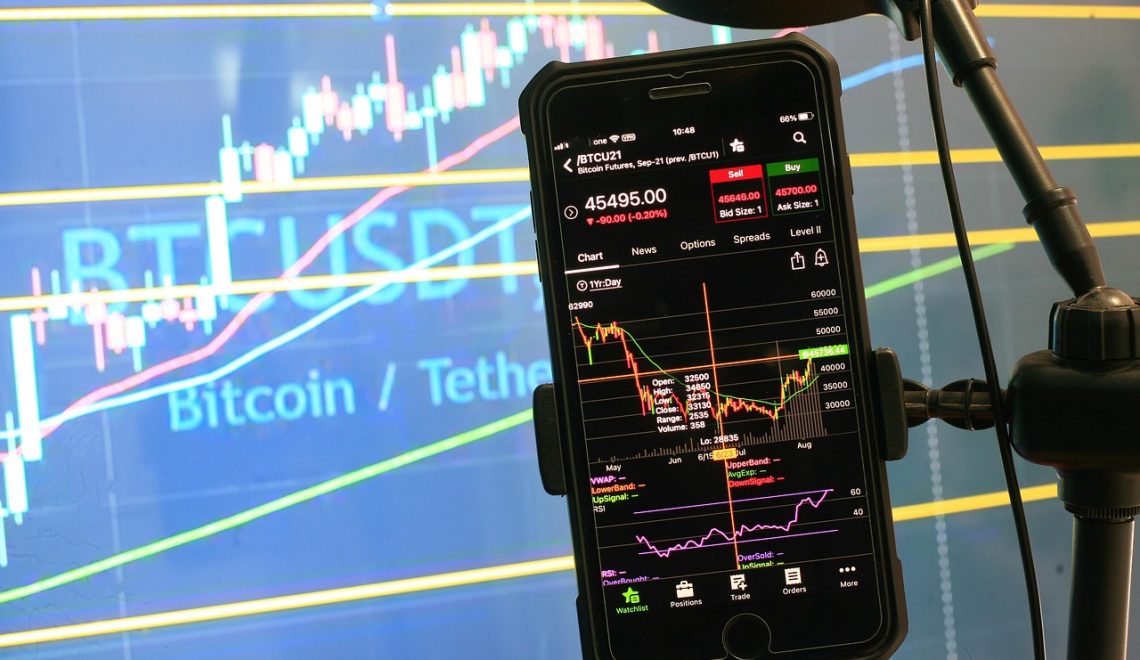
Riley Mitchel published an article exploring the concept of digital assets, which was last updated on Thursday, January 22, 2026 at 03:29 AM.
Digital assets refer to any electronic resource that holds value and can be traded or owned online. In the context of Everfi, a company specializing in financial education, digital assets often encompass cryptocurrencies, non-fungible tokens (NFTs), and virtual currencies. Understanding these digital assets is vital for navigating today’s economy.
Digital assets work by utilizing blockchain technology or other digital frameworks to verify ownership and transactions. This decentralized approach ensures the security and transparency of digital assets, which is crucial in financial applications. The rise of digital assets reflects a significant shift towards digital finance, allowing individuals and businesses to engage in more efficient and innovative economic activity.
Everfi focuses on educating users about digital assets, ensuring they grasp the implications of investing, trading, and utilizing these assets in real-world applications. The curriculum provided by Everfi includes modules on cryptocurrencies, the underlying technologies, and the risks and benefits associated with digital asset ownership.
Digital assets are increasingly relevant in today’s market. Reports from industry audits show that the adoption of cryptocurrencies has surged, with over 300 million people worldwide using cryptocurrencies in 2023. This statistic highlights the urgency in understanding digital assets, especially for consumers and businesses eager to participate in the evolving financial landscape. Exploring the concept of digital assets

Digital assets are not without their challenges. They may not be suitable for every investor or situation. If an individual lacks the technical knowledge necessary to navigate the complexities of digital wallets or blockchain technology, for instance, they might face difficulties in managing these assets effectively. Moreover, the volatility associated with many digital assets can pose risks for investors who are not accustomed to rapid price fluctuations. Engaging with digital assets without sufficient education can lead to significant financial losses.
1. Digital assets provide increased liquidity compared to traditional assets, allowing for quicker transactions and exchanges.
2. Offering the opportunity for fractional ownership, digital assets can make high-value investments more accessible to a wider audience.
3. The use of blockchain technology reduces the risk of fraud inherent in many traditional asset transactions.
| Feature | Digital Asset | Traditional Asset |
|——————————|—————————————-|—————————–|
| Ownership Verification | Blockchain technology | Centralized authority |
| Trading Speed | Nearly instantaneous | Varies due to intermediaries |
| Market Accessibility | Global reach | Often regulated by regions |
Understanding the operational mechanics of digital assets is crucial for effective engagement. The technology that supports them, primarily blockchain, enables secure transfers and recording of transactions without a central authority. This foundational technology is not just beneficial for cryptocurrencies but is widely applicable in various sectors including finance, art, and supply chain management. Digital assets often encompass

Digital assets can also be segmented into different types. Cryptocurrencies, for instance, are digital currencies that use cryptography for security and operate on decentralized platforms. NFTs, on the other hand, represent unique digital items and can be used to authenticate ownership of art, music, and other digital goods. Each type serves different purposes and presents unique opportunities and challenges.
In the field of digital finance, consumers have shown increasing interest in learning about the potential benefits and risks of digital asset investments. Education platforms like Everfi facilitate this learning process by providing structured programs aimed at demystifying digital assets. Such programs are essential in helping users make informed decisions and maximize their digital asset portfolios.
In practical settings, many financial institutions are cautiously integrating digital assets into their service offerings. They are doing so by implementing robust security measures and developing user-friendly interfaces to aid new users. From wealth management to payment solutions, the potential applications of digital assets are expansive. However, it is crucial for users to differentiate between what constitutes a secure and legitimate digital asset compared to potential scams.
Everfi emphasizes the importance of understanding regulatory frameworks surrounding digital assets. The regulatory environment is constantly evolving, and adherence to these regulations is crucial for the legitimacy and future of digital asset markets. This understanding can help users navigate potential legal pitfalls and protect their investments. Understanding these digital assets is

Adopting digital assets is a forward-thinking move, yet investors should remain aware of the fluctuating regulations and market conditions. Assessing the risks involved and keeping informed about trends in the digital asset space is vital for anyone engaged in this area. As the market matures, the nuances distinguishing successful investment strategies will also evolve.
Awareness of the complexities involved with digital assets is key to effective financial participation. Preparing and educating oneself on these aspects allows for more successful navigation of the fast-evolving crypto landscape. Platforms like Everfi play an essential role in bridging the knowledge gap for those interested in digital asset investment and management.
As we move forward, the conversation around digital assets will likely expand further. Staying informed through reputable educational resources will be crucial for adapting to changes and leveraging the opportunities presented by this digital revolution. Digital assets will not only influence personal finance but also reshape entire industries, making awareness a top priority for everyone involved.
What does a digital asset refer to in financial education programs like EverFi?
A digital asset is any item of value that exists in digital form, which can include cryptocurrencies, digital currencies, or digital representations of real assets. In the context of financial education, these assets are used to teach students about investment, ownership, and market dynamics. However, this introduces tradeoffs that must be evaluated based on cost, complexity, or network conditions.
How are digital assets used in educational platforms like EverFi?
Educational platforms utilize digital assets to enhance learning experiences by simulating real-world scenarios involving finance and investment. These simulations allow students to engage with concepts such as asset valuation and risk management, providing a practical understanding that may be harder to achieve through traditional teaching methods. However, this introduces tradeoffs that must be evaluated based on cost, complexity, or network conditions.
How do digital assets compare to traditional financial assets in educational settings?
Unlike traditional financial assets, which have established regulatory frameworks and historical data, digital assets lack comprehensive regulations and have less predictable market behaviors. This can pose challenges for educators trying to convey concepts of risk and volatility, making it essential to balance the use of both asset types in teaching. However, this introduces tradeoffs that must be evaluated based on cost, complexity, or network conditions.


